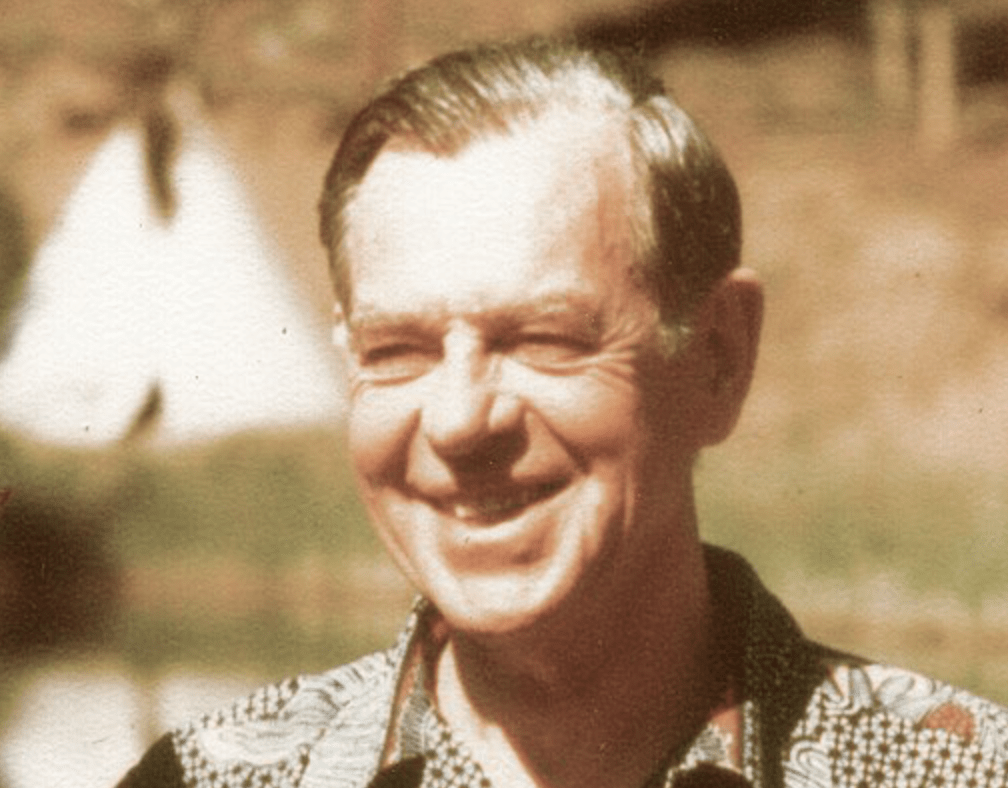
(Author of Hero with a Thousand Faces, Joseph Campbell)
The Authorial Rabbit, himself once a young buck, a boy creature, having just read Michelle Goldberg and David Brooks in the New York Times and Conor Friedersdorf in The Atlantic, all reviewing Richard Reeves On Boys and Men about this troubling time for boys and men, this same AR sought the wisdom of the DIK, the Doe I Know. Seek not to ask for whom the bell tolled, he thought to himself, but ask he did.
“The changed world,” she said. “Except for those in denial, including certain politicians, no longer the head of the family role for men, the dominance automatically assumed and asserted.”
“It came with responsibilities,” sputtered the AR.
“Yes, properly functioning, which is a big if, it permitted the male to adopt the king archetype, as Jungian philosophers would describe it, that mindset of being judicious, merciful, generous, at the very least always around.”
“But . . . “
“I knew there was a But,” said the AR, folding his ears.
“But, even back in the day, the automatic head of the family thing meant women were non-entities in the larger society, not able to vote, own property, retain children in breakups, if being left having to find work to survive, including on the street. Men could just run off, and they did.”
I chirped in. “And we were less and less able to put our shoulders to the wheel, for the changing times lessened muscle work, increased the kind of work women, some could argue, were naturally better at, and so men more and more were out of work, out of purpose.”
“That is true,” agreed the DIK, gazing too long at the AR’s shoulders and perhaps wondering about wheels.
“We are more interesting in finding enemies to hate than friends and neighbours to love.”
The DIK nodded.
Thinking of the search for meaning, the AR remembered Joseph Cambell’s Hero with a Thousand Faces. The stages of the psychologically necessary development of a human into adulthood, on a positive path of building up, not tearing down. He meditated on so many young men, mostly males, whose search for meaning took them down dark roads, into gang membership, petty crime, abuse of their families, their communities, into addiction and madness. He thought of his own upbringing in a quieter world, albeit after a world-wide conflagration, born after it into a dream of his parents, which they mostly fulfilled for him, even if it faded more generally later for his society. The DIK’s own boy whose rough journey seems now to have grown smoother, for which the AR and DIK were immeasurably grateful.
In the evening, the AR spoke to the DIK: “Can not our tribe take this loss for boys as seriously as it is and reimagine, recreate a future for them?”
“We should. We must.”
The AR gazed at his paws.
“We know what is needed for them and for all of us,” said the DIK. “They need the big challenge to show their courage, their relevance, their humanity, their capacity to love. We need a cleaner world. Hand them the green challenge. Save the planet, or at least the possibility of our living on it. As elders, it is our duty to support them in that quest.”
I thought of the lost world representing Love in the movie Brigadoon, its two hunter protagonists, one cynical, the other aware of his unhappiness in a world that does not value boys growing fully into men. The cynical one cannot find redemption, cannot awaken, cannot re-enter Brigadoon. The hero is called to Brigadoon and he makes his choice and he returns to Brigadoon, really to the best emotions of his childhood, embodied in the best of manhood.
I knew the DIK was right.
 J. B. Thompson