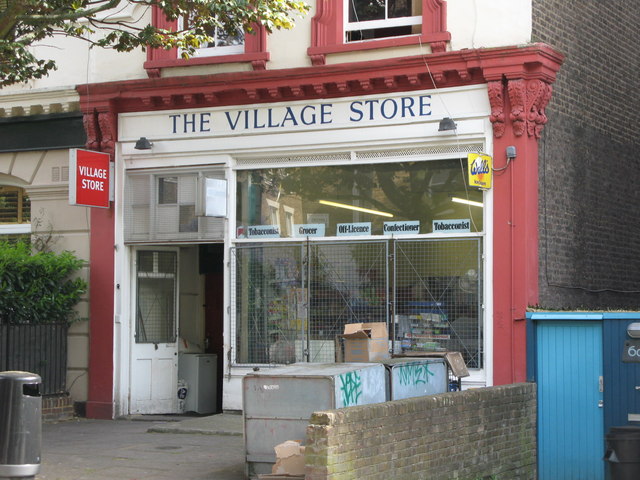
(Photo by Mike Quinn)
The AR is long-lived for a rabbit. His grandparents were foragers — farmers in rabbit-speak. His parents joined the great migration to the city and became small merchants. They specialized in footwear for rabbits and hares, whose feet other merchants would not touch.
In an age of online and the big box, the AR waxes nostalgic for his parents’ store, the neighbourhood store, owned by neighbours, staffed by neighbours, patronized by neighbours. In short, he mourns the loss of community.
Visiting such a store meant conversation. It meant taking time, often having coffee and cookies (and carrots). It meant being served by people who knew their business and their products very well and were happy to take the time to explain them to you. They brought in young people to apprentice. Respected and had time for the elderly and the ill. Each store was unique. Owners and staff believed in it, in themselves and in you.
New York Times columnist Farhad Manjoo describes in his Sept. 23 article another journey into the past. He travels by way of video archives into the news and commentary media of past decades, a time of faith in a mostly shared narrative, faith in facts, faith in the potential for constructive change to benefit all.
Political and other news commentary was sincere, nuanced, difficult ideas were discussed at length. Experts were heard and respected. To be sure, some subjects were often overlooked or too little reported on– racism, poverty, domestic violence, mental illness — but the day could be hoped for when they would be taken more seriously.
They are taken more seriously today. But today’s media — particularly social media — is no longer a shared language, a forum for serious consideration and respectful debate across all superficial divisions. To be sure, it is not all weaponized — there is gentle and joyful sharing — but too much of it is a dark machine for silo-ing viewpoints, for breeding conspiracies without respect for fact, for scapegoating and shaming, for closing minds and encouraging violence.
The shared narrative, respect for fact and search for solutions for all people, not just the privileged or brutal few, is also evident in popular culture dramas of the past: think the older shows on Britbox (Upstairs Downstairs, for example, the older versions of Agatha Christie) or Perry Mason and other shows on ME TV compared to their modern versions, compared to almost everything on Netflix, a service whose nihilism and devotion to fear and violence seems to grow with each season. At least PBS and similar public funded entities continue to promote balanced, intelligent newscasts, art that celebrates life, documentaries that respect facts and all life forms. Think of the weekly memorials on PBS to lives well lived and lost to the virus — women and men, young and old, all ethnicities, all walks of life. It is tribute, not exploitation. Love in the midst of fear, not hate.
The ascendancy of the entrepreneur in North American society and indeed all western democracies heralded a sea change. Other professionals and tradespeople — academics, doctors and nurses, artists, carpenters, plumbers, electricians, cleaners — their status was diminished as the entrepreneur became the hero of the age. The heroism of the age was to make money and buckets of it. A person to be measured by material wealth. A new religion. Billionaire-ism.
Universities and colleges transformed from institutions to foster learning and citizenship to businesses. The AR remembers universities he attended and worked at shifting to the ‘commercial paradigm’ in the 1980s, the student as customer, not as learner and future scholar and citizen.
The entrepreneur gobbled neighbourhood stores for breakfast. Gone were the family businesses, except for families like the Waltons. The DIK (Doe I Know) remembers sadly how she disparaged her mother’s invariable and exclusive patronage of the local grocery store in her European neighbourhood. The young DIK was drawn to the glimmer, glitz and wide selection in the big new stores. Only later had she realized what her mother knew and what she had lost. The AR himself remembers the local hamburger joint, its carrot-burgers, all swallowed by McDonald’s.
‘Support local business!’ is the cry during the pandemic. It should always be the cry. For the local businesses, like local places of worship and meditation, like local parks, like local schools, local clinics and hospitals, local art galleries and concert halls with local artists and musicians, like our local neighbours in person and not distance conveyors of messages strange and dangerous, are our best community, these people we know, people who will help us in need and whom we can help in their need, our best hope for living productive contented lives.
 J. B. Thompson